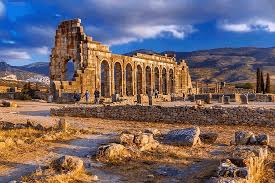
Discover the four Imperial Cities of Morocco Fez, Meknes, Rabat and Marrakech on this private eight day Morocco. Experience the history, architecture, rich culture and traditional Moroccan hospitality. Visit the ancient medieval medinas, monuments, mausalomes and souks.
On this private 8 Days Sahara Desert & Imperial Cities. Experience the history, architecture, rich culture and traditional Moroccan hospitality. Visit the ancient medieval medinas, monuments, mausalomes and souks.
8 Days
Specific Tour
English, Espanol, Francais
10 people
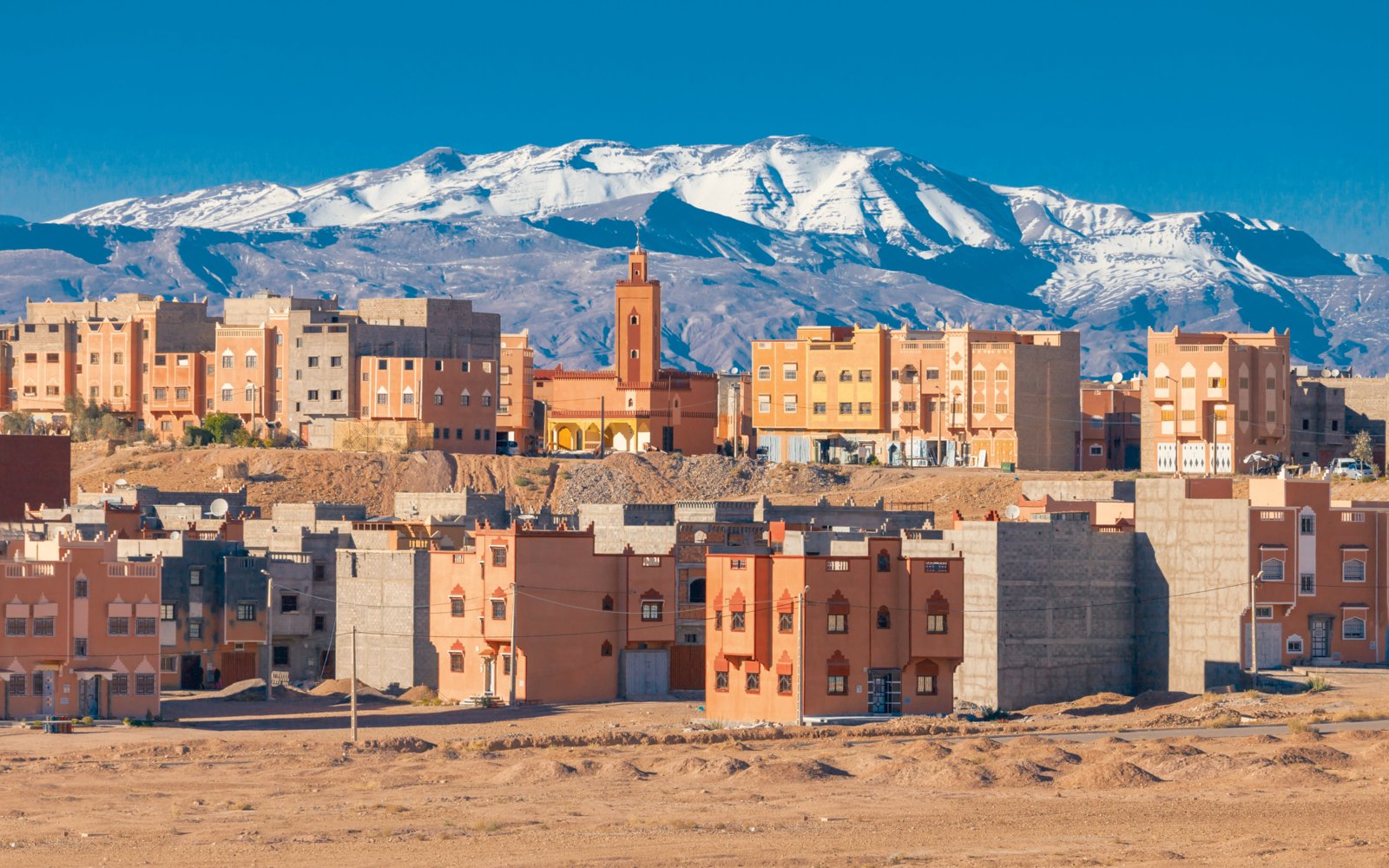
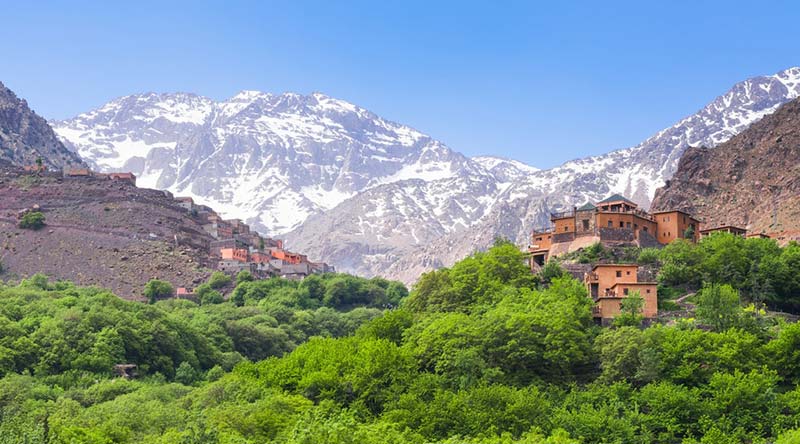
We pick you up at your riad/hotel in the morning and travel over the stunning Tiz’n Tichka (2.260 metres). Enjoy the spectacular scenery, Berber villages and ever-changing landscape along the way.
We visit the magnificent 12th century Kasbah Ait Ben Haddou, a UNESCO World heritage site. A local guide takes you inside the walls for about an hour guided tour. Lunch in Ait Ben Haddou. After we continue to the green oasis of Skoura, with old kasbahs situated among palm trees. The tour continues through the Valley of Roses. We cross small mountains and you have nice views to Berber villages and valleys. Along the route, we go off road to visit nomad caves in the mountains and stop for a glass of tea.
In the afternoon we pass the Dades valley until we arrive to the rocks of Dades Gorge. Here you will have dinner and spend the night in a charming guesthouse.
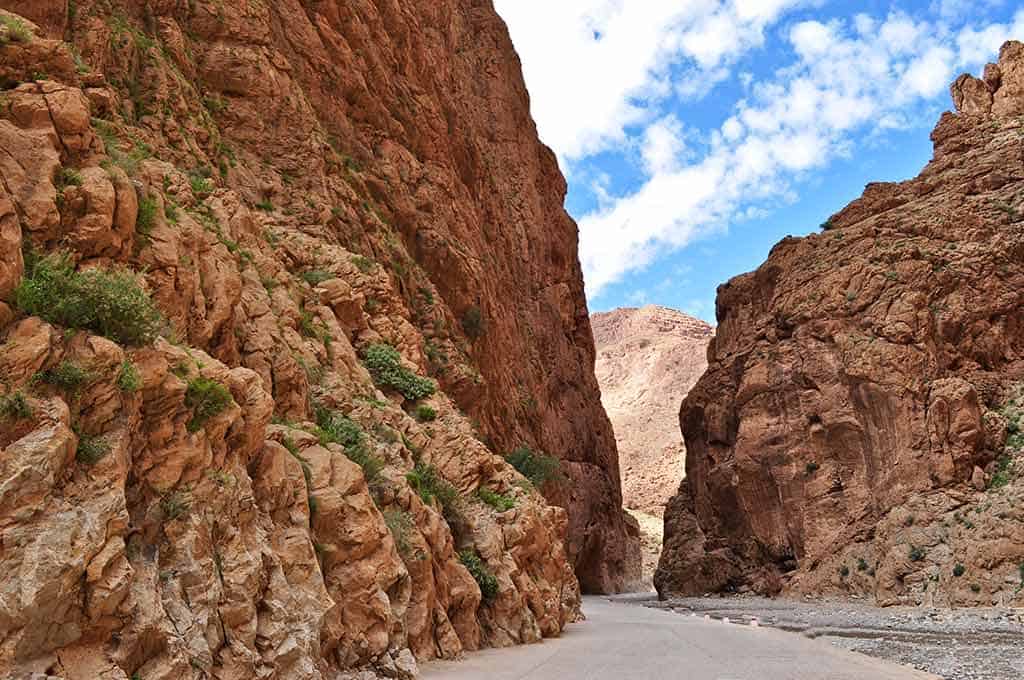
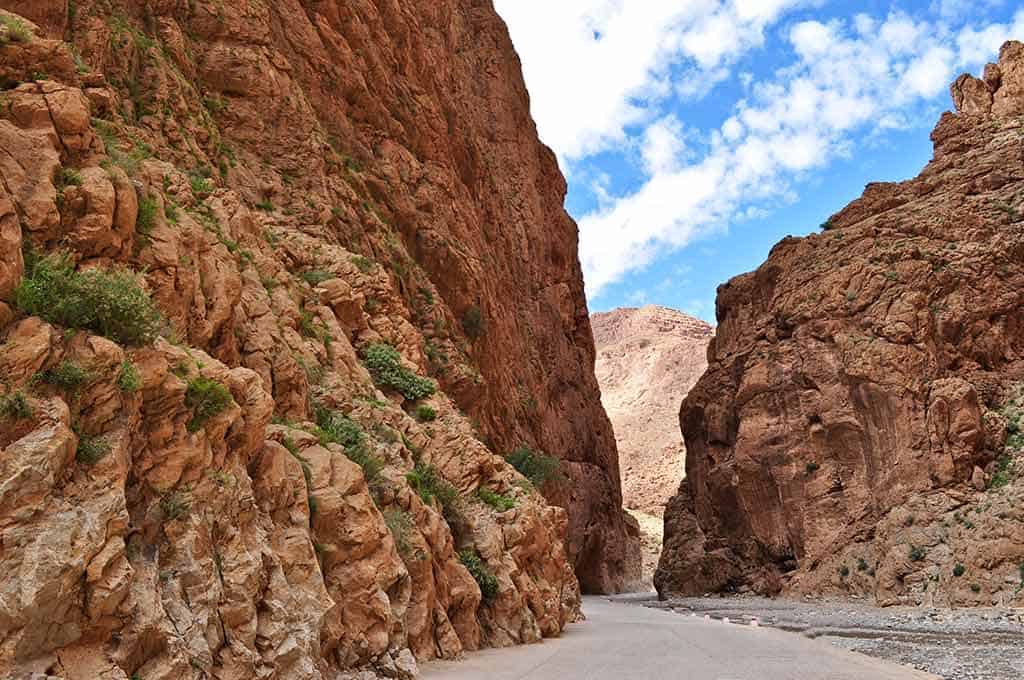
The following morning we will have a hearty breakfast at our guesthouse and leave for the Todra Gorge. The Todra Gorge is simply jaw-dropping and has a stunning scenery that makes you question why this has not been listed as a wonder of the world. After lunch on the second day we will travel on to Merzouga.
The Overnight Stay in a Desert Camp
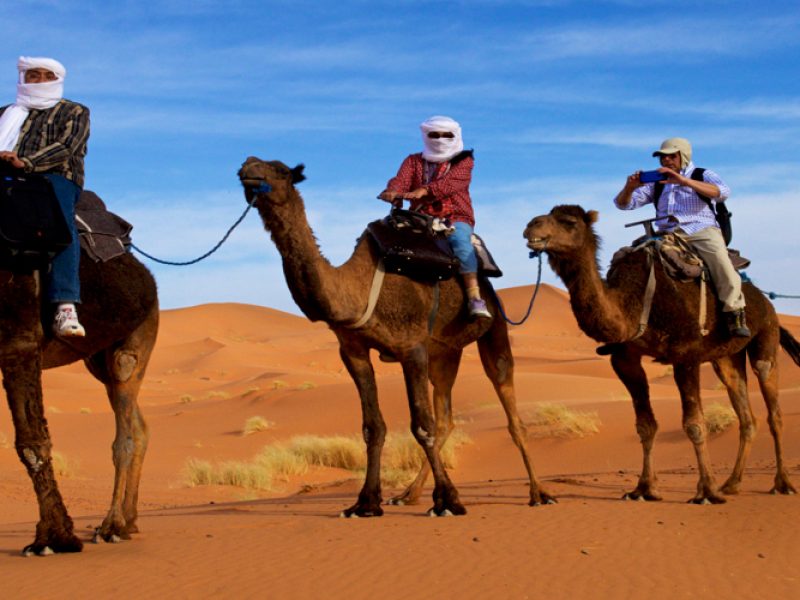
Merzouga really is a place in the heart of the desert. Here we will get onto our camels and traverse the Dunes of Erg Chebbi and finish off at the Berber desert camp to rest up for the night. At the desert camp you’ll enjoy an evening meal and breakfast
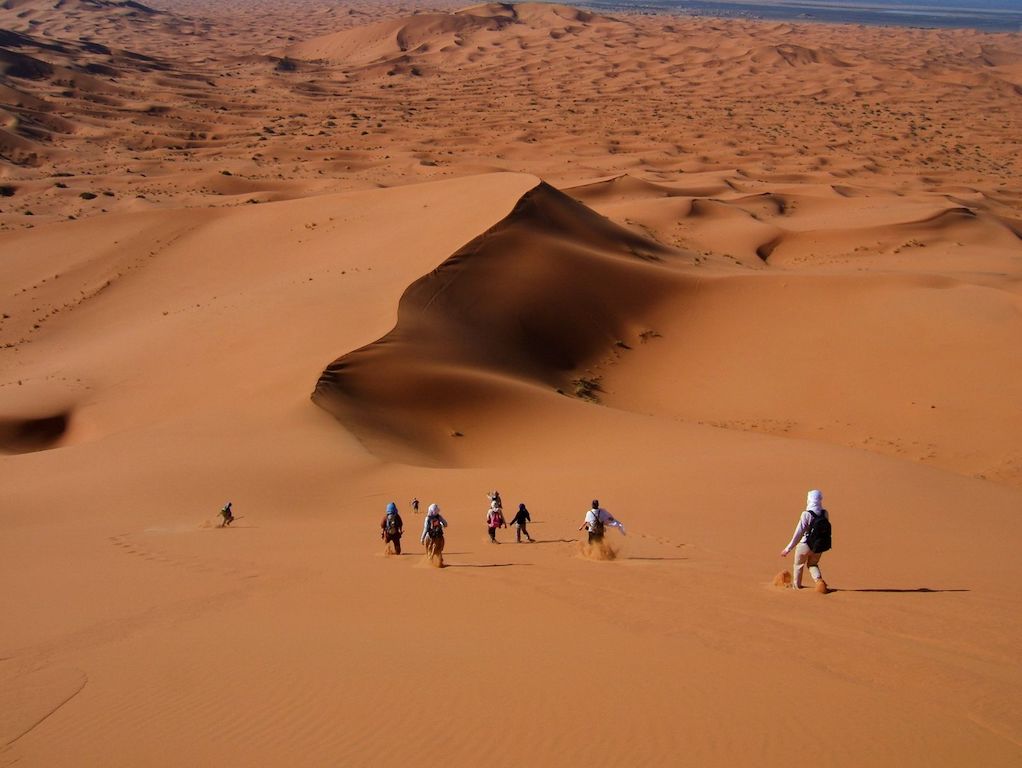
Early breakfast in Sahara before you return by camels to merzouga centre.
We drive North via Errachidia and the Ziz Valley and Gorge. We pass abandoned kasbahs and villages along the the route of the Oued Ziz. It is a long 9 to 10-hour drive this day. We stop for lunch in Midelt town, located in the high plains between the Middle Atlas and High Atlas mountain ranges. After lunch we continue over the Middle Atlas Mountains. You may see snowfields in winter as you climb towards the ski resort at Ifrane, known as “Switzerland of Morocco”.
We continue the drive through the cedar forest at Azrou. We can stop to stretch the legs and seek out the Barbary apes that live in this area. At the end of the day you arrive to the spiritual capital of Morocco; Fes. Dinner and hotel in Fes.
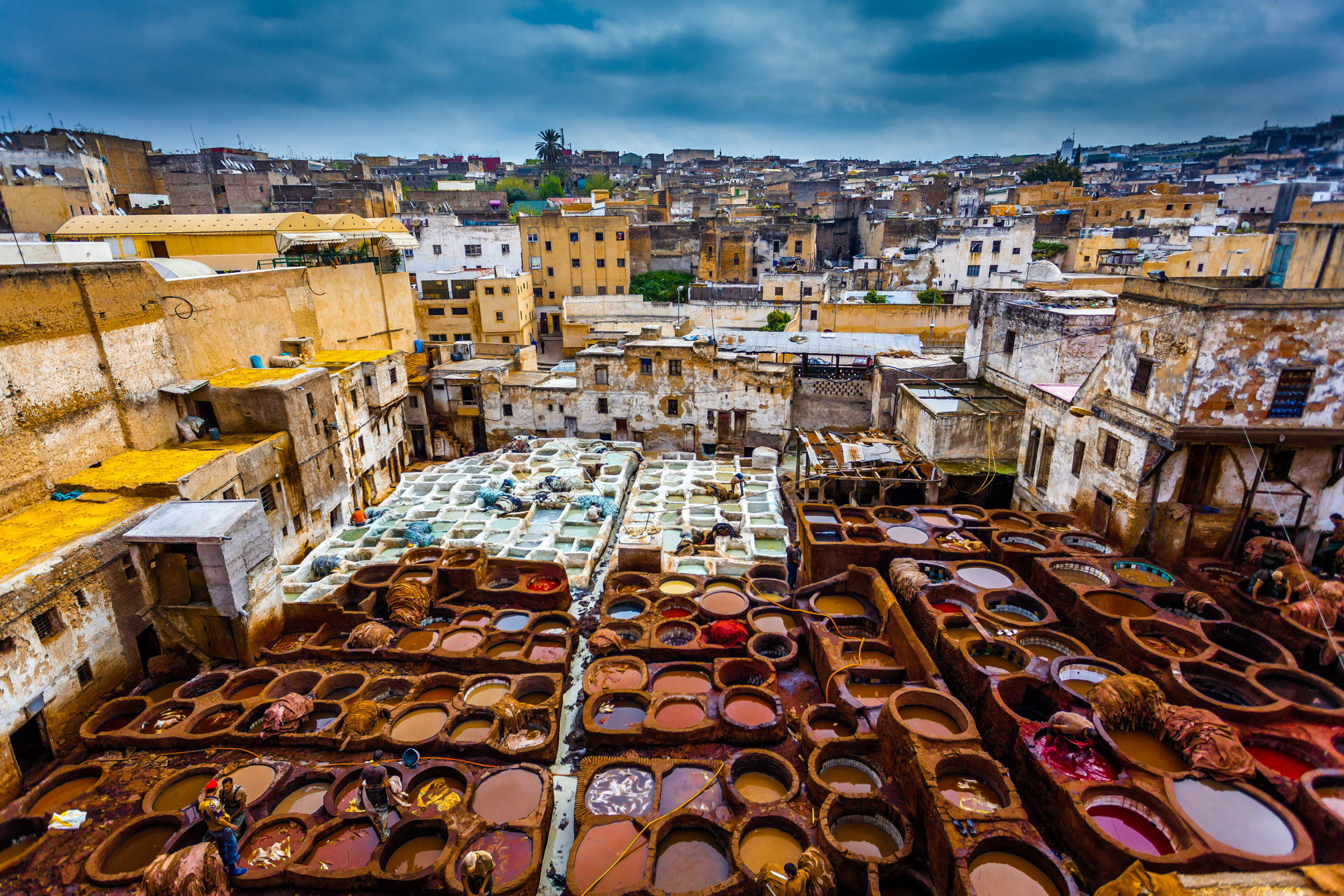
This day you can explore Fes old city. We pick you up at 10 am for a guided tour.
Fes is the medieval capital of Morocco founded in 789, and a holy Islamic city. It is the best preserved old city in the Arab world. The labyrinthine medina of Fes el-Bali is listed on UNESCO and is beleived to be the world’s largest car-free urban zone. Here the goods are transported by donkeys, mules and handcarts. Visiting Fes is like stepping back in time. La Medersa Attarine, Nejjarine Fountain, Medersa Bou Inania and the Tanneries are among sites to see in Fes this day.
Dinner and hotel.
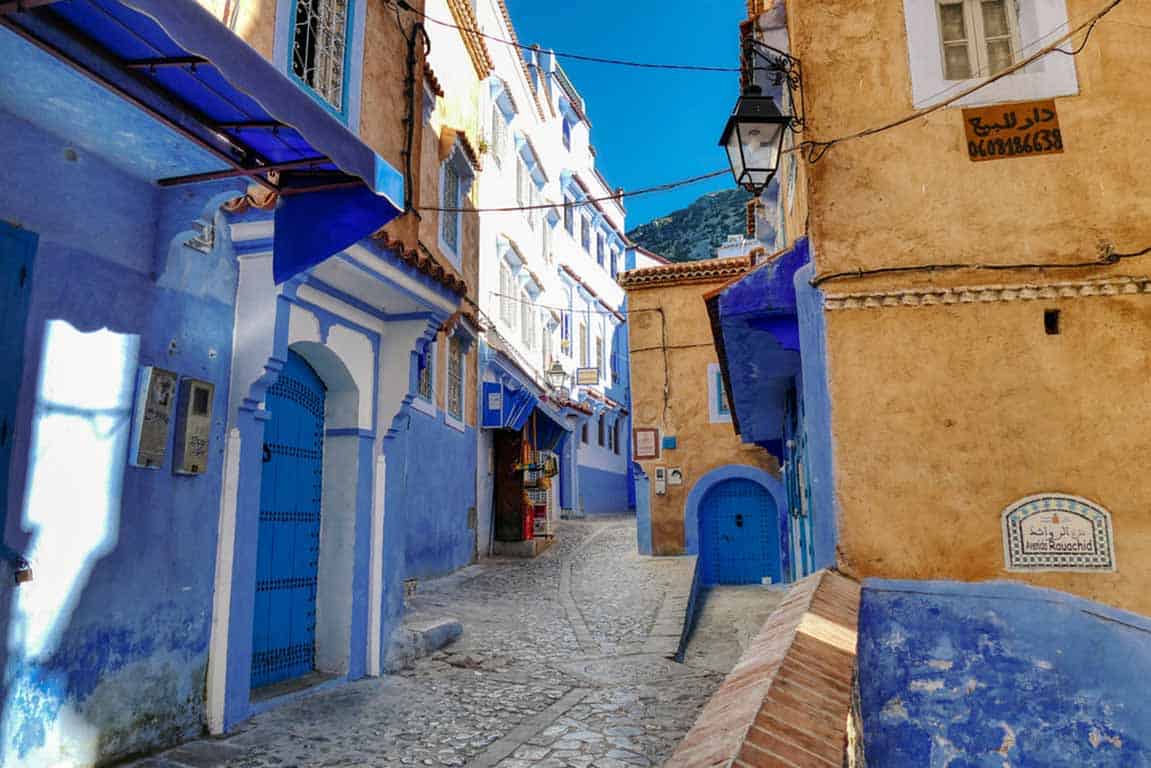
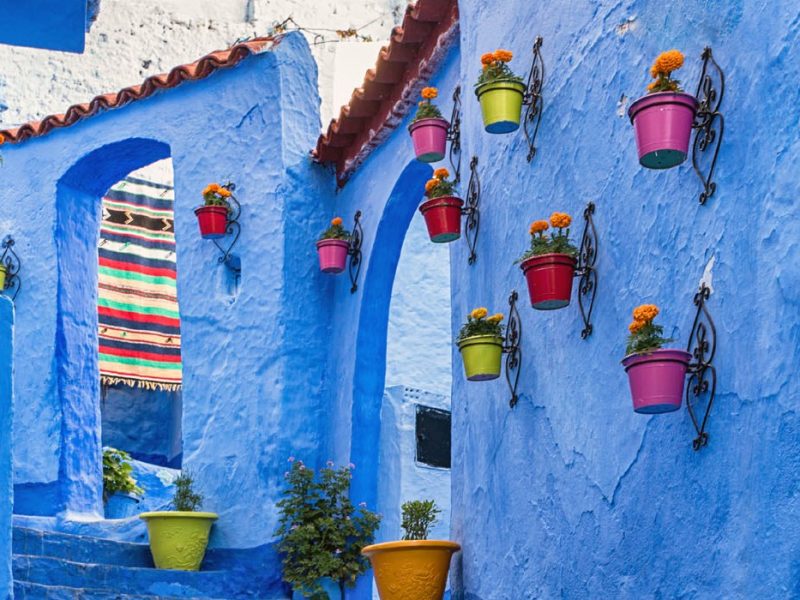
Morning departure from Fes and we drive to the mountain village Chefchaouen. This town is one of the most beautiful towns in Morocco. It is famous for its blue-washed houses, which is why it is called “The Blue Pearl”. The town is popular for both tourists and Moroccans, escpecially in the hot summer months.
You have a guided tour in Chefchaouen. The medina is intriguing with its winding lanes and narrow alleys and home for the many souks. The shopping is good and you will find popular items native to the North and not found elsewhere in Morocco, such as arts, crafts, wollen items, embroidery and the popular goats cheese. Enjoy the local cuisine and relax in the square.
Spend the night in Chefchaouen.
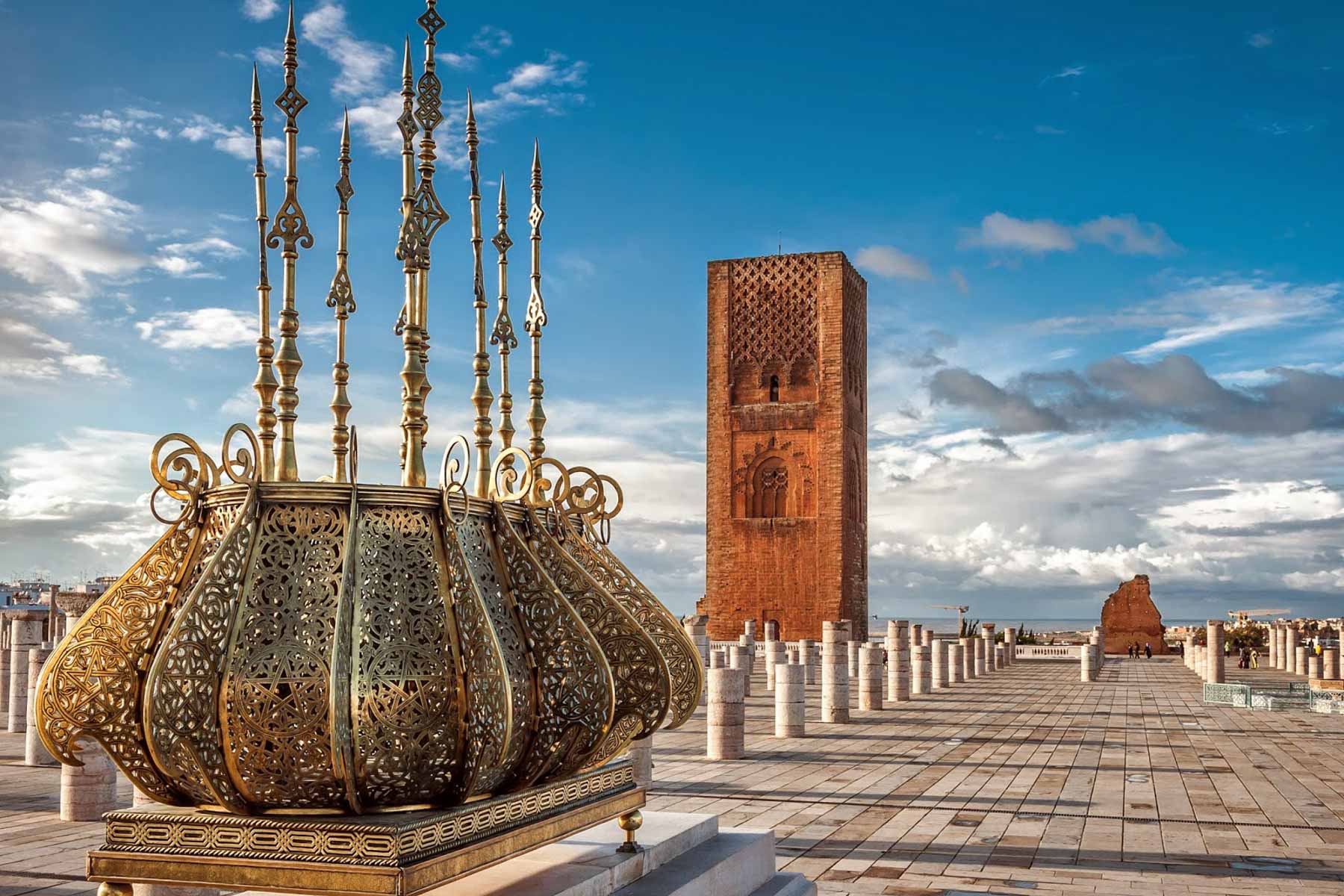
After breakfast the journey continues for about 5 hours by road to reach Morocco’s capital and residence of the current King; Rabat.
We drive to the Hassan Tower for a visit. The tower is a half-built minaret of an incomplete mosque. It was intended to be the tallest minaret for the mosque whhich also was intended to be the world’s largest. The construction began at the end of the 12th century under the reign of Almohad Sultan, Yacoub el Mansour.
Dinner and hotel in Rabat.
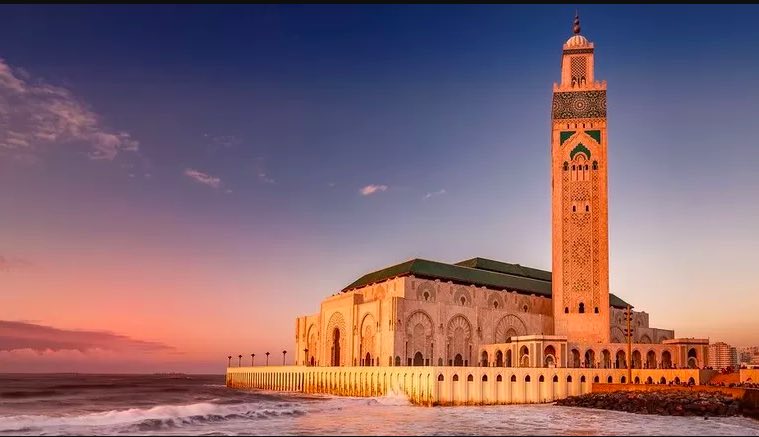
You start the day with a guided tour in the elegant Rabat city, with official English-speaking guide. A tour in Rabat includes visit to Mechouar (the place surrounding the Royal Palace), the majestic Mohammed V Mausoleum, the Hassan Tower and the Oudaya Kasbah overlooking the Atlantic Ocean through its fortified walls and with amazing views. The area is also housing many Moroccan artisan galleries.
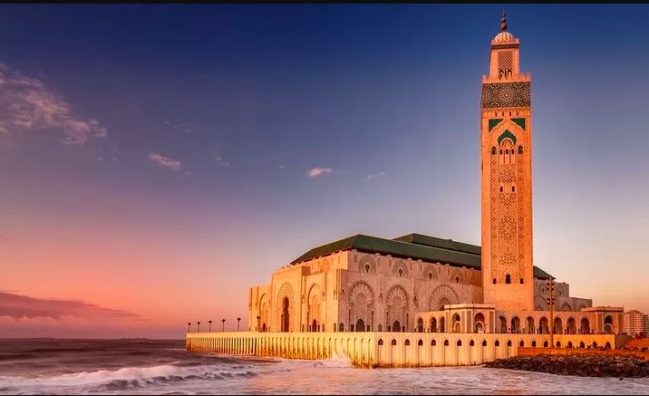
After the city tour, we continue to Casablanca, the commercial capital and the largest city of Morocco. Among places to visit is Mohammed V Square, which is said to have the city’s most impressive architecture, the majestic Hassan II Mosque, the Habous District, the central market, the residential districts Anfa and Ain Diab, which is famous for its gardens, beaches, terrace cafes and restaurants.
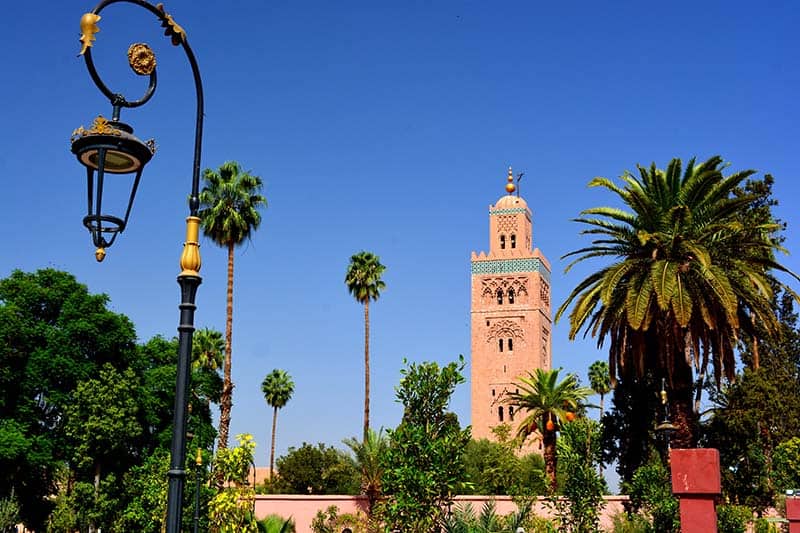
After visiting the mosque, we journey south by the highway for about 2,5 hours to reach the exotic Imperial city of Marrakech.
Dinner and stay the night in a riad in Marrakech.
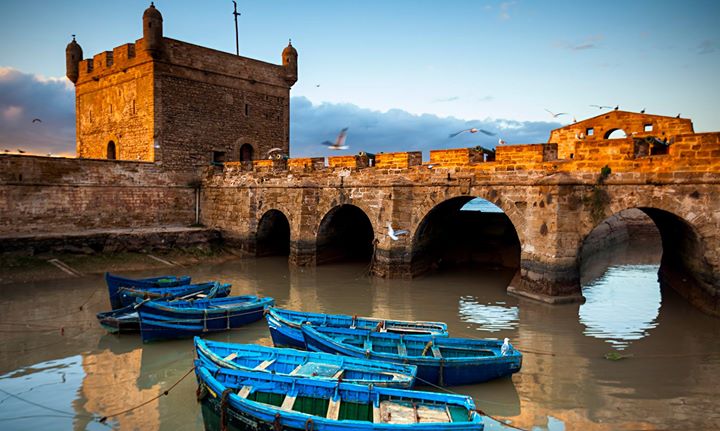
Escape the hustle and bustle of Marrakech and spend a day in the laid-back fish town of Essaouira.
The trip starts at 8 am in the morning, when we pick you up at your riad. The drive takes around 2,5 to 3 hours. We drive most of the way on a good highway, and occasionally pass a few villages.
As we get closer to Essaouira, we pass landscapes with argan trees and you might see goats climbing in the argan trees, eating argan nuts. If you wish, we can stop at an argan cooperative which is run by the local women. Here you can taste the argan oil and learn how they extract the oil from the argan nuts. The argan oil is referred to as «Moroccan gold», due to its many healthy benefits, both in cooking and for cosmetic use. The trees also help to prevent the desert from expanding.
Essaouira is a charming coastal town with white and blue houses and known for its fish market, strong wind, fine art and beautiful handicrafts.
Explore this fortified city with its historic ramparts and at Skala du Kasbah you can enjoy an amazing view of the Atlantic ocean. The harbour is filled with blue fishing boats, boat-building activities, and seagulls competing with fishermen for the catch of the day.
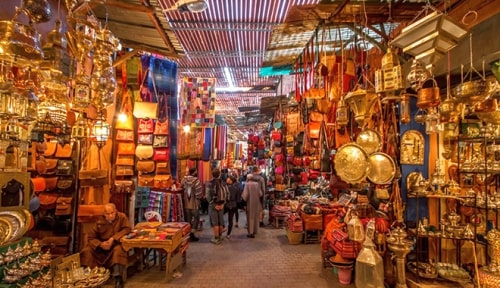
The medina is listed on UNESCO’s World Heritage list and the souk is great for browsing artisan shops and galleries. Marquetry is a tradition in Essaouira and skilled craftsmen make marquetry which is among the best in the world.
Take a walk along the nice beach to relax and watch the surfers and kiters. Enjoy a meal of freshly caught fish and seafood by the harbour, or at a nice restaurant of your choice.
We head back to Marrakech in the afternoon. Dinner and sleep in the riad in Marrakech.
| # | Discount group | From adult | To adult | Value |
|---|---|---|---|---|
| 1 | 3 | 3 | 10 |
| # | Discount group | From adult | To adult | Value |
|---|---|---|---|---|
| 1 | 3 | 3 | 10 |
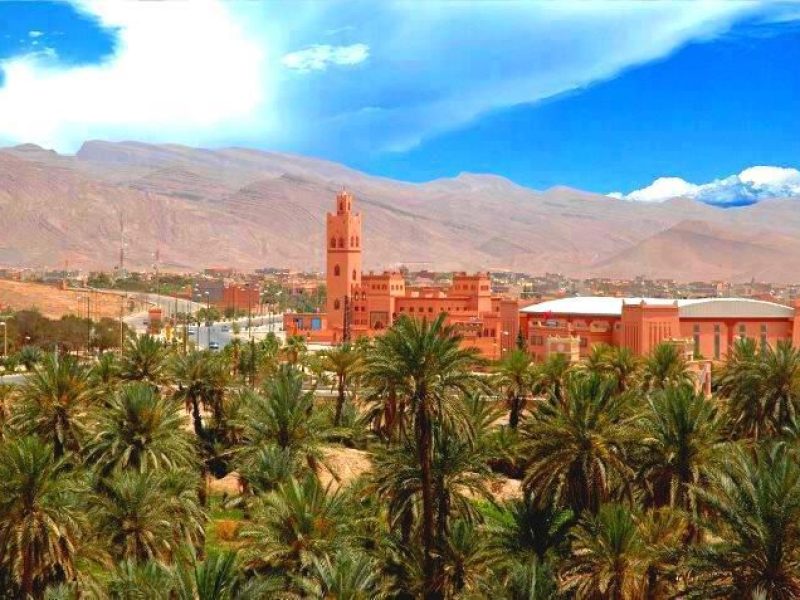
Explore the magical Sahara desert of Erg Chegaga, 4 days trip from Agadir city full of experience and adventure through the mountains, villages, and the Sahara of Morocco. Meet the locals and the lifestyle of the mountain dwellers, take a camel ride through the Erg Chegaga Dunes and sleep in a desert camp under the […]
4 Days
6 people
Varius massa maecenas et id dictumst mattis » Donec fringilla ac parturient posuere id phasellus erat elementum nullam lacus cursus rhoncus parturient vitae praesent quisque nascetur molestie quis quis Varius massa maecenas et id dictumst mattis » Donec fringilla ac parturient posuere id phasellus erat elementum nullam lacus cursus rhoncus parturient vitae praesent quisque nascetur molestie quis
1 day
8 people
Want to create your own version of unforgettable? we specialize in custom tour itineraries to meet a variety of desires. If you are looking for a completely unique experience, we can help create it. Customized Morocco tour is all about you! It’s your holiday, it’s your lifestyle and passion, it’s your time! We offer a large […]
Potential Departure Cities
Potential Tour Length people
Varius massa maecenas et id dictumst mattis. Donec fringilla ac parturient posuere id phasellus erat elementum nullam lacus cursus rhoncus parturient vitae praesent quisque nascetur molestie quis
4 Days
10 people